
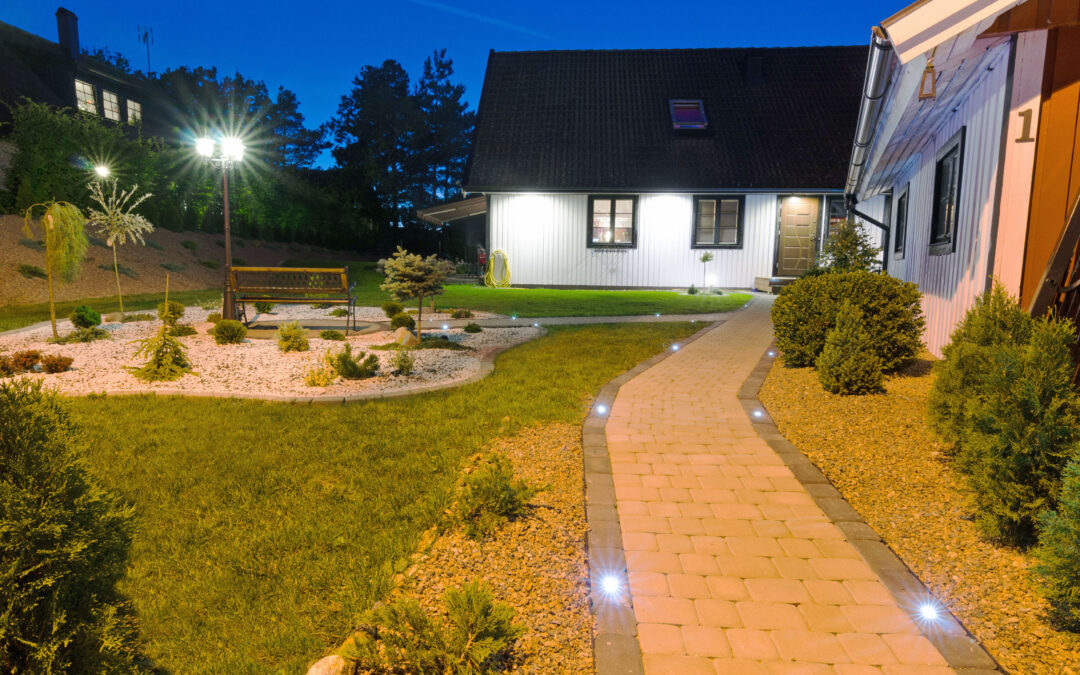
Understanding the importance of outdoor lighting services and what you need to consider when implementing them is essential for improving aesthetics, increasing security, and enhancing functionality in outdoor spaces. This article outlines key aspects to keep in mind to ensure an efficient and effective outdoor lighting project.
Understanding Different Types of Outdoor Lighting
Path Lighting
Path lighting is crucial for guiding people safely around a property. These lights are typically low to the ground, offering illumination that helps prevent trips and falls at night. Effective path lighting enhances safety while also adding an elegant touch to landscape design. When choosing path lights, consider the placement and spacing to ensure uniform coverage. Using energy-efficient LEDs can reduce operating costs while delivering adequate brightness.
Accent Lighting
Accent lighting highlights specific features such as trees, sculptures, or architectural elements. By drawing the eye to these focal points, accent lighting adds drama and depth to outdoor spaces. The key is to use these lights sparingly to avoid overwhelming the space. Fixtures should be positioned at the correct angles to maximize the visual impact of each highlight. The versatility in light colors and intensities offers flexibility in creating desired moods.
Security Lighting
Security lighting deters potential intruders by eliminating hiding spots and increasing visibility around the property. Effective placement of security lights on driveways, entrances, and dark corners is vital for maximizing security without creating excessive glare. Motion sensors can further enhance the efficiency of security lighting by activating the lights only when movement is detected, conserving energy. Selecting durable, weather-resistant fixtures ensures longevity and reliability. These systems can be integrated with smart home technology for enhanced convenience.
Deck and Step Lighting
Deck and step lighting enhance safety and usability in outdoor living spaces. These fixtures should be installed in a way that illuminates walkways and steps without causing glare. Strategic placement can highlight architectural designs and create a welcoming ambiance on decks and patios. Opting for LED options not only saves energy but also provides various customization possibilities. The proper installation of these lights can significantly extend the usability of outdoor spaces into the night.
Wall Lighting
Wall lighting serves both functional and decorative purposes, adding depth and interest to flat surfaces. These lights wash surfaces in soft illumination, highlighting textures and architectural details. When selecting wall lights, it’s important to consider the balance between aesthetics and practicality. Adjustable wall sconces offer flexibility in directing light in preferred directions. The resilience and finish of fixtures play a decisive role in maintaining a property’s visual appeal over time.
Assessing Quality and Durability of Lighting Fixtures
Material Considerations
The longevity of outdoor lighting largely depends on the materials used in the fixtures. Fixtures made of weather-resistant materials such as stainless steel or cast aluminum are well-suited for prolonged outdoor use. These materials not only withstand harsh weather conditions but also maintain aesthetic appeal over time. It’s important to examine the quality of coatings and finishes as these protect against corrosion and fading. Properly constructed materials ensure that fixtures endure for years with minimal maintenance.
Weather Resistance
Weather resistance is a crucial factor for outdoor lighting systems exposed to the elements. Lighting fixtures should have a proper ingress protection (IP) rating to shield against moisture and dust. This protects electrical components from short-circuiting and ensures lights remain functional through varying weather conditions. Furthermore, selecting fixtures designed with appropriate venting systems can prevent condensation buildup. Incorporating UV-resistant materials in fixture design can help maintain color fidelity.
Energy Efficiency
Energy efficiency in outdoor lighting directly impacts long-term operational costs and environmental footprint. LED technology is a preferred choice due to its low energy consumption and high output efficiency. It’s worth noting that outdoor lighting accounts for approximately 23% of the global lighting fixtures market, emphasizing the impact of energy-efficient solutions in reducing collective energy usage. Additionally, consider smart controls such as dimmers and timers to optimize energy usage according to need. Selecting energy-efficient fixtures also aligns with sustainable practices and can often lead to financial incentives or rebates.
Manufacturer Warranties
Warranties provided by manufacturers are crucial factors when assessing outdoor lighting fixtures. These warranties offer protection against defects in material and workmanship, providing peace of mind for the consumer. Lengthy warranties often indicate a manufacturer’s confidence in their product quality. Understanding the terms and conditions of the warranty, such as coverage duration and warranties’ conditions, is vital. Proper records of purchase and installation should be maintained to facilitate any warranty claims.
Certification and Safety Standards
Certification and adherence to safety standards are key determinants of outdoor lighting quality. Products bearing certification logos, such as UL or ETL, indicate compliance with recognized safety protocols. These certifications ensure that fixtures are safe for installation and use, reducing the risk of electrical hazards. In addition to safety, energy efficiency certifications like Energy Star can guide consumers in selecting sustainable fixtures. Keeping abreast of ever-evolving safety standards is important for both new installations and existing upgrades.
Determining the Right Lighting Design
Identifying Focal Points
Identifying focal points is an initial step in developing a lighting design plan. These are areas that naturally draw attention and should be highlighted to enhance aesthetic appeal. Common focal points include architectural features, trees, and sculptures. The choice of lighting fixtures should complement these elements rather than overshadow them. Strategic illumination can transform these features into captivating attractions that enrich outdoor ambiance.
Assessing Property Layout
The layout of a property significantly influences the design choices for outdoor lighting. An effective lighting plan should consider pathways, gardens, water features, and variations in terrain. Light placement should be planned to avoid dark spots that compromise safety and security. Additionally, landscape elements may require creative solutions to ensure harmonious lighting arrangements that complement the natural environment. Collaborative assessment with a professional can reveal unexpected design potential within the existing layout.
Color Temperature Selection
The selection of color temperature in lighting design plays a critical role in the overall ambiance of outdoor spaces. Warm color temperatures (2700-3000K) are ideal for residential settings as they offer a welcoming and relaxing glow. Cooler temperatures (4000K and above) are often selected for enhanced visibility and mimicking daylight conditions. This selection should align with the purpose of the space, whether it’s for relaxation, security, or showcasing features. Mixing color temperatures across zones can create dynamic and layered lighting effects.
Light Layering Techniques
Light layering involves using different lighting types at various levels to add depth and dimension to a space. Layering allows for functional flexibility and enhances aesthetic appeal. For instance, combining ambient, task, and accent lighting can create a multifunctional space tailored to varied uses. Properly executed light layering avoids harsh contrasts and complements the setting’s architectural flow. This technique requires careful planning to create a harmonious balance that satisfies both functional and aesthetic needs.
Balancing Function and Aesthetics
Balancing functionality and aesthetics in outdoor lighting ensures that spaces are both beautiful and practical. Functional lighting addresses safety, security, and usability, while aesthetic lighting focuses on visual appeal. An effective lighting scheme considers how these elements can be integrated to enhance the property’s use and appearance. Customizable lighting controls can provide the flexibility needed to adapt lighting to different occasions and seasons. Collaboration between lighting professionals and homeowners can lead to innovative solutions that fulfill both priorities.
Houston Lightscapes

The team at Houston Lightscapes takes pride in their many years of experience in the landscape lighting industry. They've been serving the greater Houston area for over 30 years bringing innovation and elegance to their designs. Learn more about Houston Lightscapes here.