
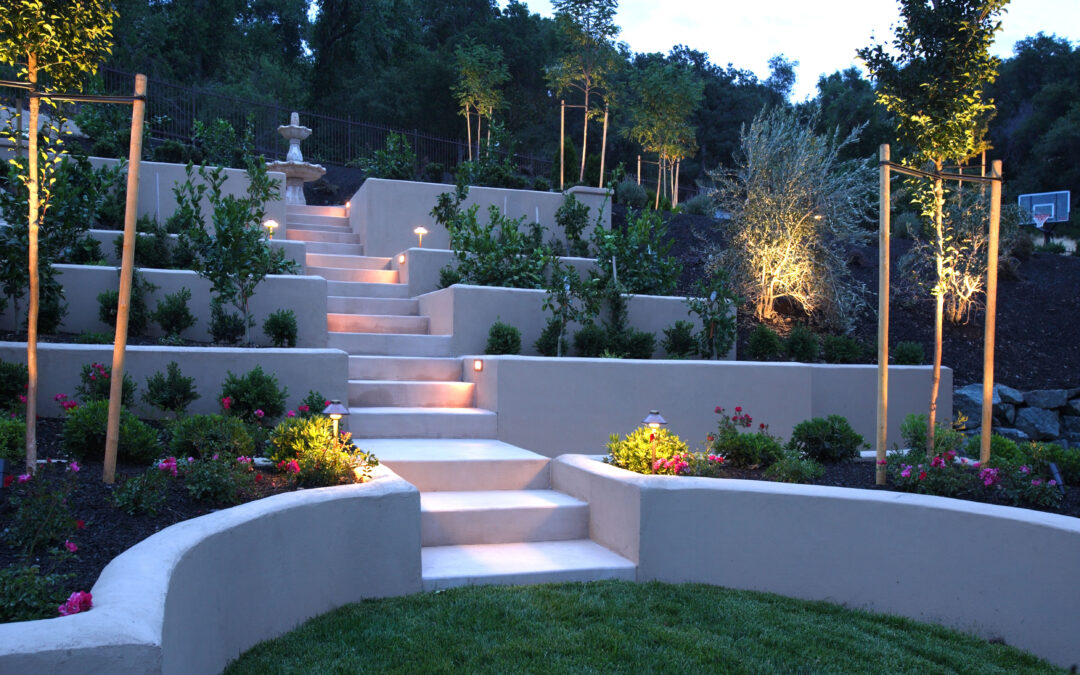
Outdoor lighting service is an essential component in creating a welcoming and secure environment around your home. By showcasing your landscape’s beauty and providing safety, properly planned lighting can elevate the ambiance of any outdoor space. Many homeowners rely on outdoor lighting services to help design, install, and maintain these solutions. This guide aims to provide detailed insights into layering outdoor lights for a stunning effect while considering functionality, aesthetics, and sustainability.
The concept of layering lights involves using multiple types of lighting to achieve different effects. Whether it’s for accentuating architectural features, ensuring paths are well-lit, or creating a mood, each layer plays an important role. Through this guide, you’ll learn not just about the individual layers but also how to integrate them for a cohesive lighting plan, often with the assistance of outdoor lighting services that specialize in combining form and function.
Understanding the intricacies of outdoor lighting will empower you to transform your home’s exterior. By the end of this article, you will be equipped with the knowledge to select the right fixtures, understand energy Efficiency Considerations, and create a sustainable lighting arrangement. Take the time to explore these concepts, and watch your outdoor areas come to life when the sun goes down.
Understanding the Basics of Outdoor Lighting
A variety of outdoor lighting fixtures are available, each serving distinct purposes. Wall lights, path lights, floodlights, and spotlights are commonly used to address different needs. Wall lights attached to structures can provide both security and elegance. Path lights ensure safe passage and add a decorative element to walkways. Floodlights and spotlights are particularly useful for illuminating large areas or focusing on specific features.
Layering is crucial for comprehensive and balanced outdoor lighting. By employing multiple types and styles of lights, you can highlight focal points and ensure total coverage of your outdoor spaces. This method prevents dark spots, adds depth, and makes your outdoor area more inviting. Layered lighting also allows for flexibility, helping you adjust the mood and functionality for different occasions. Ultimately, the layering approach results in aesthetically pleasing and practical lighting solutions that outdoor lighting services can tailor to your property.
Planning your lighting layout starts with evaluating your outdoor space and identifying key areas to highlight. Consider pathways, entrances, patios, and landscape features, which can all benefit from specific lighting layers. Sketching a layout and calculating the lumens required for each area is pivotal. According to Living Etc., outdoor lighting between 100 to 200 lumens is perfect for pathways, but 700 to 1300 lumens are more suited for security or task lighting. These guidelines help achieve the necessary balance between aesthetics and functionality.
The Role of Ambient Lighting in Outdoor Spaces
Ambient lighting, also known as general lighting, serves as the foundation of outdoor illumination. It provides overall illumination without focusing on specific features and establishes a comfortable level of brightness. It often consists of overhead or wall-mounted fixtures providing uniform light. Ambient lighting aims to ensure guests can move around easily and safely while setting boundaries for the lighter, alternative layers. This lighting layer creates the atmosphere that integrates all other lighting elements effectively.
Selecting the correct fixtures for ambient lighting requires attention to aesthetics and functionality. Look for fixtures that blend well with the architectural style of your home. Overhead lights, such as pendant lights or chandeliers, can be stylish yet effective when covered or semi-covered outdoor spaces are available. Alternatively, strategically placed wall lights can provide necessary glow without overwhelming the scene. The key is to create enough light to navigate safely while achieving a welcoming ambiance.
Accent Lighting: Highlighting Key Features
Accent lighting is used to draw attention to particular elements within a landscape, such as sculptures, trees, or architectural features. It is designed to highlight these objects, creating focal points that add interest and drama. To achieve the desired effect, accent lights are typically brighter than ambient lighting. Proper placement and angle are vital to preventing shadows and achieving the ideal glow on the selected feature. Utilizing accent lighting appropriately transforms a bland space into a visually intriguing environment.
Choosing accent lights involves considering the features you wish to emphasize and their unique characteristics. Spotlights are often utilized to highlight tall trees, while in-ground lights can illuminate pathways and architectural details from below. Wall-mounted or post lights work well for highlighting entryways or smaller garden features. The lumens should be aligned with the level of lighting desired; more prominent elements may require more powerful lights. Effectively chosen accent lights enhance the appeal of your yard or garden, enriching the whole outdoor experience.
Various techniques can be applied to ensure accent lighting remains effective and impactful. One approach is uplighting, where lights are positioned low and directed upwards to highlight tall structures or trees. Another technique is silhouetting, which involves placing a light behind a feature to create a silhouette effect. Cross-lighting from angles illuminates an object evenly without harsh shadows. Each method offers a distinct look, allowing you to choose based on the feature’s characteristics and intended aesthetic. Many of these methods are commonly recommended by outdoor lighting services due to their dramatic yet functional benefits.
Task Lighting: Ensuring Functionality
Task lighting focuses on providing ample illumination for specific activities or functions within outdoor spaces, enhancing usability and safety. It is particularly beneficial for areas such as outdoor kitchens, dining areas, or workspaces. Effective task lighting ensures tasks can be performed without strain, reducing accidents and enhancing the functionality of the space. An important consideration is the placement and intensity of the lighting to ensure that it meets the specific requirements of the activity. Task lighting is an integral layer that supports both aesthetics and practical needs.
Numerous outdoor areas benefit significantly from strategic task lighting to improve their functionality. Pathways, stairs, driveways, and entrances require adequate illumination to ensure safe navigation. Additionally, task lighting in outdoor kitchens or barbecues enhances visibility for cooking and serving. Decks, patios, and seating areas also benefit from this lighting layer to facilitate various activities. The aim is to provide enough light to perform tasks efficiently without compromising the overall ambiance of the outdoor setting.
Durability is a key consideration when selecting task lighting fixtures, as they are often exposed to the elements. Fixtures made from weather-resistant materials such as stainless steel, aluminum, or specially coated metals are preferable. Energy-efficient bulbs with longer lifespans, such as LEDs, offer reliability and reduce maintenance needs. Motion detectors or automatic on-off systems ensure that lights are used only when necessary. Selecting durable fittings will provide consistent lighting year-round without frequent replacements.
Creating a Mood with Outdoor Lighting
Color temperature significantly affects the mood and ambiance created by outdoor lighting. Measured in Kelvin (K), color temperature dictates whether the light appears warm, neutral, or cool. Warm lights (2000K to 3000K) produce a cozy and inviting atmosphere, making them suitable for relaxation areas. Cooler lights (4000K to 5000K) mimic daylight, supporting functional tasks but may seem harsh if used excessively. Selecting the appropriate color temperature is integral to crafting the desirable mood and aesthetic for your outdoor areas.
Strategic use of lighting contributes significantly to enhancing ambiance in outdoor spaces. Combining ambient, accent, and task lighting creates depth and warmth, making spaces feel more livable. Additional elements like string lights, lanterns, or solar-powered garden lights can add whimsy and charm. It’s important to find a balance between sufficient light and subtlety, avoiding harsh, glaring illumination. Effective use of lighting to enhance ambiance invites guests to linger longer and enjoy the outdoor setting.
Considering energy efficiency, sustainability, and maintenance aspects are vital for developing a practical and eco-friendly lighting system. The integration of smart technology and solar options further expands the possibilities for enhancing outdoor spaces. Each choice contributes to crafting a harmonious landscape that reflects both your style and your commitment to responsible living.
With knowledge gained from this guide, you can confidently embark on your lighting project. Utilize these insights to bring your vision to life, creating serene, secure, and visually captivating outdoor environments. Witness the transformative power of properly layered outdoor lighting that extends your living space into the great outdoors. For more information about the services that we offer, reach out to our incredible team at Houston Lightscapes today! Professional outdoor lighting services can assist with planning and installation, helping ensure the best results for any outdoor lighting project.
Houston Lightscapes

The team at Houston Lightscapes takes pride in their many years of experience in the landscape lighting industry. They've been serving the greater Houston area for over 30 years bringing innovation and elegance to their designs. Learn more about Houston Lightscapes here.