
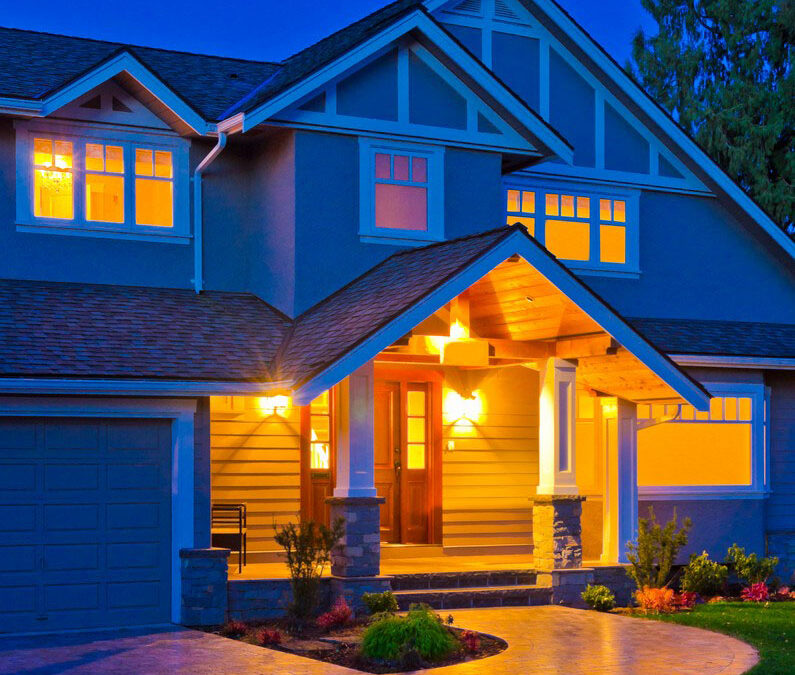
Exterior lighting is a crucial yet often underestimated element of architectural design and landscape planning. Beyond basic visibility, it shapes how outdoor spaces are experienced, perceived, and used after dark. Thoughtful illumination supports safety, emphasizes architectural intent, and influences long-term energy use. This article explores lesser-known dimensions of outdoor illumination, from its historical roots to emerging technologies, offering insight into how informed design decisions can elevate both function and aesthetics. By understanding these principles, designers and property owners can create environments that feel intentional, efficient, and visually compelling.
When planned correctly, exterior lighting becomes an extension of the built environment rather than a separate utility, reinforcing cohesion between structures and landscapes.
Evolution of Outdoor Illumination
The history of outdoor illumination reflects humanity’s ongoing need for safety, orientation, and social interaction after sunset. Early civilizations relied on fire-based sources such as torches and oil lamps to mark pathways and entrances. These early solutions were limited but transformative, extending usable hours and supporting community activity. Over time, gas lamps became common in cities, improving reliability and consistency. This gradual evolution laid the groundwork for modern systems that balance efficiency, durability, and visual appeal.
The introduction of electric lighting in the late nineteenth century marked a turning point. Electric fixtures replaced gas infrastructure, reducing hazards and improving control over brightness and placement. Continued innovation led to high-intensity discharge lamps and eventually solid-state solutions. Each advancement expanded design possibilities while reducing energy demands. Today, exterior lighting benefits from decades of technological refinement that allow designers to be both creative and responsible.
Energy Efficiency and Smart Advancements
Rising energy costs and environmental awareness have driven demand for more efficient illumination strategies. Compact fluorescent lamps initially addressed these concerns, but light-emitting diodes quickly became the preferred option due to their longevity and reduced power consumption. According to LawnStarter, LED landscape lights run much cooler than other options, use up to 80% less energy to produce light, and last 25,000 to 40,000 hours. These performance advantages make modern systems well-suited for long-term outdoor applications where efficiency and durability matter.
Advancements like these have redefined how exterior lighting contributes to sustainability goals without sacrificing performance or design flexibility.
Smart controls have further transformed how systems operate. Sensors, timers, and adaptive brightness settings allow illumination to respond dynamically to surroundings. Lights can activate only when movement is detected or adjust output based on ambient conditions. This approach minimizes waste while enhancing convenience and security. As smart infrastructure becomes more accessible, outdoor environments are increasingly responsive and tailored to real-world use.
Scientific Principles Behind Light Performance
Effective design relies on understanding how light behaves in open spaces. Measurements such as lumens and lux help quantify output and distribution, ensuring areas are neither underlit nor excessively bright. Proper planning reduces glare and shadows while improving visibility. These calculations are essential for balancing comfort, safety, and efficiency.
Color temperature also plays a significant role in shaping perception. Warmer tones tend to create inviting residential atmospheres, while cooler tones offer clarity in commercial or security-focused settings. Another important metric is the Color Rendering Index, which measures how accurately colors appear under a given source. High-quality illumination enhances textures, materials, and landscaping, contributing to a more natural and appealing nighttime environment.
Design and Aesthetic Considerations
One of the primary challenges in outdoor design is balancing visual appeal with practical needs. Fixtures must provide adequate illumination while complementing architectural style and landscape features. Modern designs allow lighting elements to act as subtle accents rather than dominant features. When done well, illumination feels integrated rather than imposed.
Careful placement ensures exterior lighting enhances form and structure without distracting from the surrounding environment.
Strategic placement can dramatically influence how structures are perceived. Techniques such as uplighting and grazing reveal depth and texture, transforming flat surfaces into dynamic compositions. Landscape elements benefit from layered approaches that combine path lighting, focal highlights, and ambient glow. These techniques guide movement, establish hierarchy, and create cohesive nighttime scenes.
Innovation and Emerging Technologies
Technological progress continues to reshape how outdoor systems are designed and managed. Solar-powered fixtures have gained popularity as battery storage improves, allowing reliable performance without grid dependence. These solutions reduce installation complexity and support sustainability goals. In many settings, they provide a practical alternative to traditional wired systems.
The Internet of Things has also expanded possibilities by enabling communication between devices. Integrated systems can respond to weather, occupancy, or security events in real time. This level of automation enhances efficiency and adaptability, particularly in large or complex environments. Exterior lighting increasingly functions as part of a broader intelligent ecosystem rather than a standalone feature.
Environmental and Economic Impacts
Outdoor illumination choices have lasting economic and environmental consequences. Efficient systems reduce electricity consumption and operational costs over time, offsetting initial investments. Long-lasting components minimize waste and lower maintenance demands. These benefits make sustainable solutions financially attractive as well as environmentally responsible.
Material selection also affects environmental impact. Durable metals, recyclable components, and non-toxic materials contribute to longer product life cycles. Many manufacturers now prioritize sustainability in both production and disposal processes. These practices support broader efforts to reduce resource consumption and environmental harm.
Safety, Regulations, and Community Impact
Proper illumination plays a vital role in safety by reducing accidents and discouraging unwanted activity. Well-lit pathways, entrances, and gathering areas improve visibility and confidence for users. Motion-activated fixtures and automated controls further enhance security without excessive brightness. Thoughtful planning ensures safety without compromising comfort.
When exterior lighting aligns with local regulations, it supports both community well-being and long-term compliance.
Regulatory standards guide responsible implementation by setting limits on brightness, placement, and efficiency. Compliance helps prevent issues such as glare, light trespass, and sky glow. Dark-sky principles have gained traction as communities seek to protect natural night environments. These guidelines encourage downward-focused illumination that preserves visibility while respecting neighboring properties.
User Experience and Human-Centered Planning
Beyond technical performance and visual appeal, successful outdoor illumination must account for how people interact with spaces after dark. Human-centered planning considers movement patterns, sightlines, and comfort to create environments that feel intuitive and welcoming. Lighting that supports natural navigation reduces confusion and stress, particularly in shared or public spaces where users may be unfamiliar with their surroundings. Thoughtful placement can subconsciously guide behavior, encouraging safer routes and smoother transitions between areas.
Psychological comfort is another critical factor. Excessively bright or poorly positioned fixtures can cause discomfort, eye strain, or a sense of exposure, while overly dim conditions may create uncertainty. Balanced illumination supports a feeling of security without overwhelming the senses. Designers increasingly evaluate how light affects mood and perception, recognizing that well-considered environments promote longer use and greater satisfaction.
Adaptability and Future-Proof Design
As technology and usage needs evolve, adaptability has become a defining characteristic of well-designed systems. Modular fixtures, adjustable mounting options, and scalable control platforms allow spaces to be updated without complete overhauls. This flexibility is particularly valuable for properties that may change function over time, such as mixed-use developments or growing residential communities.
Exterior lighting influences far more than nighttime visibility. It shapes how spaces function, feel, and interact with their surroundings. From historical development to smart automation, its evolution reflects changing priorities around efficiency, design, and sustainability. By applying scientific principles, embracing innovation, and respecting environmental considerations, designers and property owners can create outdoor environments that are safe, efficient, and visually engaging. Thoughtful planning ensures that exterior lighting enhances spaces without overwhelming them, resulting in balanced designs that serve both people and the environment. Contact our team at Houston Lightscapes today and learn more about our lighting services.
Houston Lightscapes

The team at Houston Lightscapes takes pride in their many years of experience in the landscape lighting industry. They've been serving the greater Houston area for over 30 years bringing innovation and elegance to their designs. Learn more about Houston Lightscapes here.